


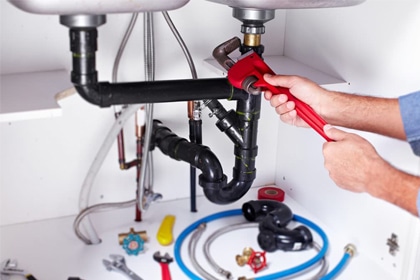
The History of Plumbing in the UK
Plumbing, an essential component of modern civilisation, has a particularly intricate history within the United Kingdom. From the engineering marvels of the Roman era to the sophisticated systems of the 21st century, the evolution of plumbing in the UK mirrors the nation’s journey towards progress and hygiene. This blog post delves into the depths of this journey, providing insights into how plumbing has become a cornerstone of contemporary life.
Roman Beginnings and Mediaeval Advances
The story of plumbing in the UK begins with the Romans, who were master engineers and brought their sophisticated techniques to Britain. They constructed complex networks of lead and wooden pipes, aqueducts, and public baths, setting the foundation for future plumbing systems. Roman baths in Bath, England, stand as a testament to their engineering prowess, showcasing the ingenuity of their water management.
However, with the fall of the Roman Empire, much of this knowledge was lost, and the UK entered a period where little advancement in plumbing occurred. During mediaeval times, sanitation was rudimentary at best. Castles and monasteries had simple drainage systems, but the majority of the population relied on wells, streams, and cesspits, often leading to contaminated water sources and widespread disease.
The Renaissance Reformation
The Renaissance brought a renewed interest in science and technology across Europe, impacting the UK’s approach to plumbing. The 16th and 17th centuries saw the introduction of closed sewage systems in London, a development propelled by increased urbanisation and the need to control the spread of disease. Notably, the Great Plague of London in 1665 and the Great Fire of London in 1666 highlighted the need for improved sanitation and water supply systems.
The Victorian Era and Sanitation Revolution
The 19th century, particularly the Victorian era, marked a pivotal period for UK plumbing. The Public Health Act of 1848 and the subsequent establishment of the National Board of Health signalled a commitment to public health and sanitation. The era witnessed the construction of extensive sewer networks in London, a project led by Sir Joseph Bazalgette, which would become a model for modern sewer systems globally. It was during this time that solutions for domestic plumbing began to take shape, with the introduction of flushing toilets and running water in homes.

Twentieth-Century Innovations
Moving into the 20th century, plumbing underwent rapid advancements. The widespread installation of bathrooms within homes, advancements in boiler systems, and the introduction of plastic piping in the 1960s and 1970s transformed the plumbing landscape. The increasing demand for convenience and efficiency led to the growth of professional plumbing services, where plumbing companies emerged to meet the sophisticated needs of modern households. This era also saw a significant shift in regulatory standards, ensuring that plumbing systems met high safety and quality benchmarks. The UK established strict regulations regarding the installation and maintenance of plumbing systems, which companies like Solutions Plumbing now adhere to, thereby standardising quality across the industry.
Modern Plumbing and Environmental Consciousness
In the late 20th and early 21st centuries, the focus of plumbing has shifted towards sustainability and environmental conservation. The UK has been at the forefront of integrating eco-friendly plumbing solutions to conserve water and reduce waste. The advent of low-flush toilets, water-efficient fixtures, and smart home technology reflect this shift. Plumbing solutions today are not just about efficiency and convenience but also about being eco-conscious. Companies like Solutions Plumbing have become integral in ensuring that homes and businesses are equipped with plumbing systems that are both state-of-the-art and environmentally responsible. The emphasis on reducing carbon footprints has also led to innovations in plumbing that contribute to energy efficiency, like solar water heating and rainwater harvesting systems.
The Societal Impact of Plumbing Advancements
The profound influence of plumbing on society cannot be overstated. Beyond the evident health and sanitary benefits, the progression of plumbing has shaped the UK’s social structure, urban development, and even the daily lives of its citizens. The introduction of indoor plumbing and sewage systems fundamentally altered the architecture of British homes and cities. Prior to these innovations, the design of residential areas and public buildings was constrained by the need for proximity to water sources and waste disposal sites.
As plumbing became more sophisticated, homes could be designed with increased comfort and functionality in mind, giving rise to modern bathroom and kitchen layouts that are now taken for granted. The impact on public health has been equally monumental. In the era before modern plumbing, diseases such as cholera and typhoid fever were rampant, often spread through contaminated water supplies. The development of closed sewage systems and the provision of clean, piped water directly into homes dramatically reduced the incidence of these illnesses, improving the overall life expectancy of the population.
Plumbing Advancements For The Economy
The advancements in plumbing also played a role in shaping the labour market and the economy. The demand for skilled plumbers surged, leading to the establishment of apprenticeships and training programs that contributed to job creation and economic growth. As companies like Solutions Plumbing expanded their services, they not only provided essential services to the community but also contributed to the local and national economy through employment and the advancement of plumbing technologies. Moreover, the evolution of plumbing reflects broader social changes, including a heightened awareness of environmental issues and the need for sustainable living practices.
This has influenced consumer behaviour, with a growing number of households in the UK choosing eco-friendly plumbing fixtures and systems, underscoring the role of the industry in driving environmental stewardship. As we consider the full scope of plumbing’s history in the UK, it is clear that its influence extends far beyond the pipes and drains hidden behind our walls. It has been, and continues to be, a driver of social change, an enhancer of public health, an instigator of economic activity, and a catalyst for environmental innovation. The strides made in plumbing have not only improved our standard of living but have also woven into the very fabric of British society, impacting the way we live, work, and interact with our environment.
Looking to the Future
As we look towards the future, the history of plumbing in the UK serves as a reminder of the importance of innovation and adaptability. It is expected that plumbing will continue to evolve, with advancements such as greywater recycling systems and more intelligent water management technologies taking centre stage. The role of experienced plumbing services, like Solutions Plumbing, will remain crucial as they implement and maintain these complex systems.
The history of plumbing in the UK is a testament to human ingenuity and the relentless pursuit of improvement in living conditions. From the ancient Romans to modern-day experts, the journey of plumbing reflects a broader narrative of progress—a narrative where every pipe, every valve, and every joint tells a story of civilisation moving forward, one drop at a time.
For more insight into the past, present and future of plumbing in Twickenham, contact the experienced team at Solutions Plumbing & Heating today.






0 comments
Write a comment