


Washing Machine Energy Saving Tips
Maximising Washing Machine Efficiency: Additional Tips and Best Practices
Regular Maintenance and Upkeep
One of the most important aspects of maintaining an efficient washing machine is regular upkeep. Cleaning the filter regularly ensures that the machine runs smoothly without unnecessary strain. Descaling the machine is crucial, especially if you live in an area with hard water, as limescale buildup can reduce efficiency. It’s also essential to check the hoses for any signs of leaks, as leaky hoses can waste water and increase energy consumption. Additionally, ensuring that your washing machine is level prevents excessive vibrations, which can lead to higher energy use and potential damage.
Optimising Washing Practices
Optimising your washing practices can also lead to significant energy savings. Properly sorting laundry helps in maintaining fabric quality and optimising wash cycles. For example, washing heavy and bulky items separately from lighter ones ensures efficient washing and spinning. Using the right amount of detergent is equally important; too much detergent can create excess suds, making the machine work harder. Pre-treating stains with a stain remover or a bit of detergent allows you to use shorter cycles without compromising on cleanliness. Many modern washing machines come with eco modes or energy-saving settings, which use lower temperatures and less water, significantly reducing energy consumption. While washing full loads is efficient, it is essential to avoid overloading the machine, as this can decrease its effectiveness and lead to longer wash times.
Investing in Energy-Saving Technology and Features
Investing in energy-saving technology and features can further enhance your washing machine’s efficiency. Smart washing machines, for example, can be programmed to run during off-peak hours when electricity rates are lower. Some models offer features like automatic detergent dispensing and water level adjustment based on the load size, ensuring optimal use of resources. If your washing machine is old, consider upgrading to a high-efficiency model, as these use significantly less water and energy per load.
Drying Clothes Efficiently
Drying clothes efficiently is another crucial aspect of reducing energy consumption. Air drying your clothes is the most energy-efficient method. Using clotheslines or drying racks allows clothes to dry naturally. If you must use a tumble dryer, dryer balls can help to separate clothes and improve air circulation, reducing drying time. Drying lightweight items separately from heavier ones can also reduce overall drying time, as each type of fabric dries at a different rate.
Adopting Energy-Efficient Habits
Adopting energy-efficient habits in your laundry routine can make a significant difference. Running full loads whenever possible ensures that you are not wasting water and energy on half-empty loads. Using detergents designed for cold water washing can also help, as these are formulated to clean effectively at lower temperatures. If your washing machine is located in a basement or an unheated space, improving the insulation in that area can help maintain a more consistent temperature, allowing the machine to operate more efficiently.
Contact An Expert
By incorporating these additional energy-saving tips and best practices, you can significantly reduce the energy consumption of your washing machine. This not only helps in lowering your utility bills but also minimises your environmental footprint. Good management and regular maintenance of your washing machine will ensure it runs efficiently for years to come. For expert advice and assistance in selecting and installing energy-efficient washing machines, contact Solutions Plumbing & Heating. Our team can help you choose the best appliances to meet your needs and ensure they are installed for optimal performance. Embrace these energy-saving tips and take a step towards a more sustainable and cost-effective laundry routine.
Laundry is a thankless chore. Worse yet, washing machines energy gluttons, hiking up your utility bills.
Read on for our energy saving tips in the laundry room.
1. Wash clothes on the shortest cycle and with the lowest water level that’s practical for your needs. Why waste water by washing twice the amount you need.
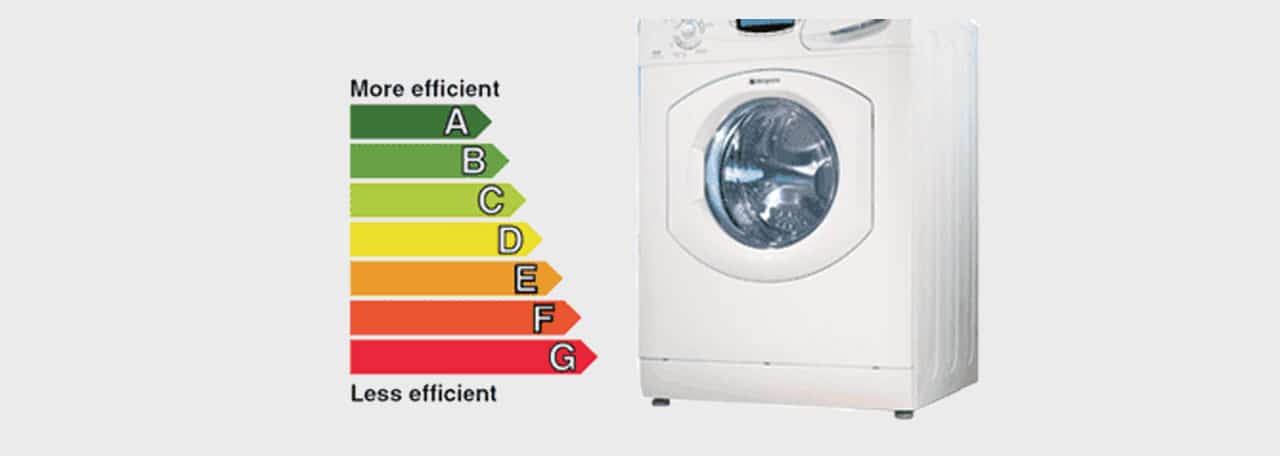
2. Look for energy star certified washing machines, which use 20% less energy and 35% less water that other models.
3. Use cold water or 30°C cycle where possible. Hot water accounts for 90% of the energy use of a washing machine.
4. It is a good idea to include occasional hot washes if you mainly do low temperature ones. This will get rid of bacteria and prevent the build up of odours in your machine.
5. Get a head start and soak heavily soiled items before washing. Rub collars and other stains with household soap before the cycle begins.
6. For clothes that are only lightly soiled, reduce the washing time.
7. Try and make sure you have a full load to wash. Full loads are the most efficient way to go.
8. Set the washer to do a second spin cycle, which will decrease the amount of time the clothes need to spend in the dryer. Better still, when the British sun pops out, hang them out to dry!! For the rest of the year, hang them on a drying rack!!
9. Buy high-efficiency detergent. These detergents create fewer suds that can limit your machine’s performance.
10. Machines with automatic sensors can gauge the right amount of water for the job, reducing waste.
Good management is the best practice to help reduce the amount of energy we use in the laundry room.
Contact Solutions Plumbing & Heating for the installation of your energy star certified washing machine.